
Introduction
Ecommerce solutions have become one of the most powerful ways to start and grow a business in today’s digital world. Whether you are a beginner or someone with basic experience in online selling, understanding ecommerce solutions can help you build a strong foundation for long-term success. These solutions include everything from building an online store, managing products, processing payments, handling customers, and scaling operations efficiently.
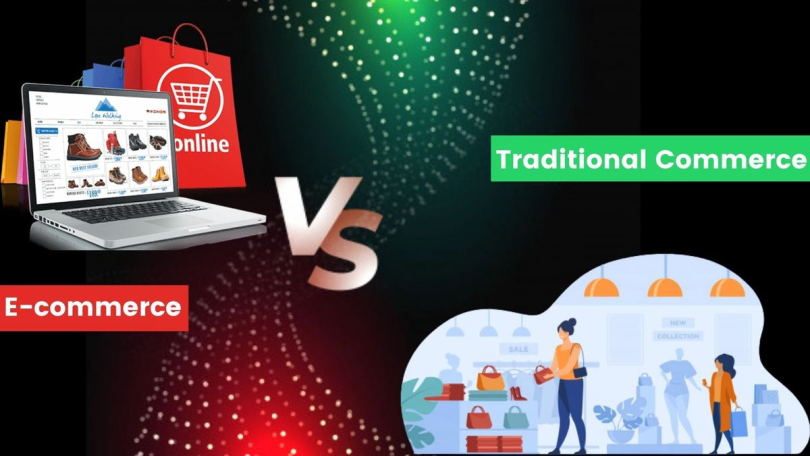
In simple terms, ecommerce solutions are tools and systems that allow businesses to sell products or services online. With the rapid growth of internet users and digital payment systems, more businesses are shifting toward online platforms instead of traditional physical stores. This shift is not only cost-effective but also provides global reach, better customer engagement, and higher profit potential.
Today, companies of all sizes rely on ecommerce solutions to stay competitive. From small startups to large enterprises, everyone is using digital platforms to increase visibility and sales. As technology continues to evolve, ecommerce solutions are becoming more advanced, offering automation, AI-based recommendations, and seamless user experiences.
In this article, you will learn everything about ecommerce solutions, including their importance, benefits, risks, step-by-step setup process, common mistakes, and expert tips to succeed in the online business world.
What is Ecommerce Solutions?
Ecommerce solutions refer to a combination of software tools, platforms, and services that help businesses create, manage, and operate online stores. These solutions allow companies to display products, accept payments, track orders, manage inventory, and communicate with customers in a digital environment.
A complete ecommerce solution usually includes website building tools, shopping cart systems, payment gateways, security features, and customer management systems. Popular ecommerce platforms provide ready-made templates and features that make it easier for beginners to start without technical knowledge.
There are different types of ecommerce solutions available depending on business needs. Some are hosted platforms where everything is managed by the provider, while others are self-hosted systems that give more control but require technical skills.
In modern business environments, ecommerce solutions are not just optional tools; they are essential for survival. They help businesses reach a wider audience, reduce operational costs, and improve efficiency. Without these systems, managing online sales would be complex and time-consuming.
Why is Ecommerce Solutions Important?
Ecommerce solutions play a crucial role in modern business growth. One of the main reasons they are important is that they allow businesses to operate 24/7 without physical limitations. Customers can browse products and make purchases anytime, increasing sales opportunities.
Another important factor is global reach. With ecommerce solutions, even small businesses can sell products internationally. This removes geographical barriers and opens new revenue streams.
Cost efficiency is another major advantage. Traditional retail stores require rent, staff, and maintenance costs. Ecommerce solutions reduce these expenses significantly by automating many processes.
Additionally, ecommerce systems improve customer experience. Features like product search, filters, reviews, and secure payment options make shopping easier and more convenient.
Data tracking is also a powerful benefit. Businesses can analyze customer behavior, sales trends, and product performance to make better decisions. This data-driven approach helps in improving marketing strategies and increasing profits.
Detailed Step-by-Step Guide
Step 1: Choose the Right Ecommerce Platform
The first step is selecting a suitable ecommerce platform based on your business needs. Consider factors like ease of use, pricing, customization options, and scalability. A good platform should support your growth and provide essential features like product management and payment integration.
Step 2: Register Your Domain and Hosting
Your domain name represents your brand identity. Choose a simple and memorable domain. If you are using a self-hosted platform, select reliable hosting that ensures fast loading speed and security.
Step 3: Design Your Online Store
Design plays a major role in attracting customers. Use clean layouts, easy navigation, and mobile-friendly designs. A professional-looking website builds trust and improves conversion rates.
Step 4: Add Products with Proper Details
Upload products with clear descriptions, high-quality images, and accurate pricing. Well-optimized product pages help customers understand your offerings better and increase the chances of purchase.
Step 5: Set Up Payment Methods
Integrate secure payment gateways such as credit cards, debit cards, and digital wallets. Ensure that transactions are safe and user-friendly.
Step 6: Configure Shipping Options
Define shipping methods, delivery times, and costs. Transparent shipping policies improve customer satisfaction and reduce disputes.
Step 7: Launch and Promote Your Store

Once everything is set up, launch your store and start marketing. Use SEO, social media marketing, and paid ads to attract customers and increase traffic.
Benefits of Ecommerce Solutions
- Helps businesses reach a global audience easily
- Reduces operational and setup costs
- Provides 24/7 availability for customers
- Improves customer experience through automation
- Offers detailed analytics and reporting tools
- Increases sales through targeted marketing strategies
- Enables easy scaling of business operations
- Supports multiple payment and shipping options
Disadvantages / Risks
- High competition in online markets
- Dependence on internet connectivity and technology
- Security risks such as hacking or data breaches
- Technical issues that may affect website performance
- Additional costs for premium features and marketing
- Customer trust issues in new online stores
- Logistics and delivery challenges in some regions
Common Mistakes to Avoid
Many beginners fail in ecommerce due to avoidable mistakes. One common mistake is choosing the wrong platform without proper research. Another issue is poor website design that confuses customers.
Ignoring SEO is also a major mistake. Without optimization, your store may not appear in search results, reducing traffic. Additionally, many businesses fail to provide clear product descriptions, which affects buying decisions.
Another mistake is not focusing on customer service. Quick responses and support are essential for building trust. Lastly, many beginners fail to invest in marketing, which limits their growth potential.
FAQs
1. What are ecommerce solutions used for?
Ecommerce solutions are used to create and manage online stores, handle payments, track orders, and improve customer experience.
2. Do I need technical skills to start ecommerce?
No, many platforms are beginner-friendly and provide drag-and-drop tools, making it easy for non-technical users.
3. Which is the best ecommerce solution for beginners?
The best solution depends on your needs, but user-friendly platforms with built-in tools are ideal for beginners.
4. Is ecommerce profitable?
Yes, ecommerce can be highly profitable if you choose the right products, marketing strategies, and platform.
5. How much investment is required?
Investment varies depending on platform, design, marketing, and product sourcing, but you can start with a low budget.
6. Can I run ecommerce from home?
Yes, ecommerce businesses can be fully operated from home with just a computer and internet connection.
7. How do I get customers for my online store?
You can attract customers using SEO, social media marketing, paid ads, and email campaigns.
Expert Tips & Bonus Points
Focus on user experience because it directly impacts sales. A simple and fast-loading website performs better than a complex one. Always optimize product pages with relevant keywords to improve search visibility.
Use high-quality images and detailed descriptions to build trust. Invest in digital marketing strategies like social media ads and influencer promotions. Continuously analyze data to understand customer behavior and improve performance.
Another important tip is to build brand identity. A strong brand helps you stand out in a competitive market. Also, provide excellent customer service to retain customers and encourage repeat purchases.
Conclusion
Ecommerce solutions have transformed the way businesses operate in the modern world. They provide powerful tools that help businesses sell products online efficiently, reach global customers, and reduce operational costs. For beginners and intermediate users, understanding ecommerce solutions is the first step toward building a successful digital business.
With the right strategy, platform, and marketing approach, anyone can start an ecommerce store and achieve long-term success. However, it requires consistency, learning, and continuous improvement to stay competitive in the market.
As online shopping continues to grow, ecommerce solutions will become even more advanced and essential. Businesses that adapt early will have a strong advantage in the future digital economy.