
Introduction
Full stack development has become one of the most in-demand skills in the modern tech industry. Every business today wants a strong online presence, and that is only possible with skilled developers who understand both front-end and back-end systems. Full stack development refers to the ability to work on both the client-side and server-side of web applications. In simple words, a full stack developer can build an entire website or web application from scratch without depending heavily on others. This skill is not only powerful but also highly rewarding in terms of career growth and salary opportunities. Companies prefer developers who understand the complete flow of software development because it reduces communication gaps and increases productivity. In this article, you will learn everything about full stack development in a simple, structured, and practical way. Whether you are a complete beginner or someone with basic knowledge, this guide will help you understand tools, technologies, benefits, risks, and a step-by-step roadmap to become a successful full stack developer in 2026 and beyond.
What is Full Stack Development?
Full stack development is the process of working on both the front-end and back-end parts of a web application. The front-end is what users see and interact with, such as buttons, layouts, and design. It is built using technologies like HTML, CSS, and JavaScript. The back-end is the server side where data is processed, stored, and managed. It involves programming languages like Node.js, Python, PHP, or Java along with databases such as MySQL or MongoDB. A full stack developer understands how both sides connect and function together. This means they can design user interfaces, manage servers, handle APIs, and work with databases efficiently. Full stack development is not limited to coding only; it also includes understanding system architecture, security, and deployment. In modern development environments, full stack developers are expected to handle end-to-end application development, making them highly valuable in startups and tech companies.
Why is Full Stack Development Important?
Full stack development is important because it simplifies the software development process and reduces dependency on multiple specialists. Instead of hiring separate front-end and back-end developers, companies can rely on full stack developers who manage both roles. This saves time, cost, and resources. Another reason it is important is flexibility. Full stack developers can switch between tasks easily and solve problems across different layers of an application. It also improves communication within teams because one developer understands the entire system. Moreover, the demand for full stack developers is continuously increasing due to the growth of web-based businesses. From e-commerce platforms to SaaS products, every digital solution requires full stack expertise. It also allows developers to work on freelance projects, startups, and remote jobs. In short, full stack development is important because it creates efficient workflows, better productivity, and more career opportunities in the tech industry.
Detailed Step-by-Step Guide to Become a Full Stack Developer
Step 1: Learn Front-End Basics
Start with HTML, CSS, and JavaScript. These are the foundation of web development. HTML structures the content, CSS styles it, and JavaScript adds interactivity. Practice by building simple web pages and small projects.
Step 2: Master Front-End Frameworks
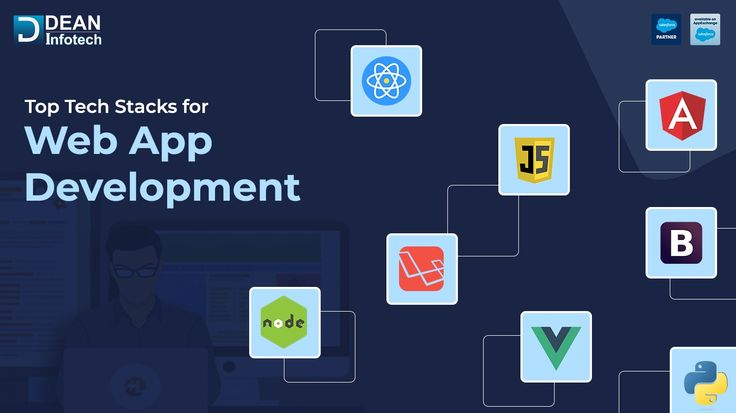
After learning basics, move to frameworks like React, Angular, or Vue.js. These tools help you build advanced user interfaces faster and more efficiently. React is the most popular choice for beginners.
Step 3: Learn Back-End Development
Choose a back-end language such as Node.js, Python, or PHP. Learn how servers work, how APIs are created, and how requests and responses are handled. This is the core of backend development.
Step 4: Understand Databases
Databases store application data. Learn SQL databases like MySQL and NoSQL databases like MongoDB. Understand how to create, read, update, and delete data efficiently.
Step 5: Learn Version Control
Git and GitHub are essential tools. They help you track code changes and collaborate with other developers. Every professional developer uses version control.
Step 6: Learn APIs and RESTful Services
APIs connect front-end and back-end systems. Learn how REST APIs work and how to integrate them into your applications.
Step 7: Practice Projects
Build real-world projects like blogs, e-commerce websites, or task managers. Practical experience is the key to mastering full stack development.
Step 8: Deployment

Learn how to deploy applications using platforms like Netlify, Vercel, or AWS. Deployment makes your project live on the internet.
Benefits of Full Stack Development
- High demand in job market across industries
- Better salary compared to single-stack developers
- Ability to work on complete projects independently
- Suitable for freelancing and remote work opportunities
- Faster project development and delivery
- Strong understanding of both front-end and back-end systems
- Flexibility to switch roles in development teams
- Great career growth in startups and tech companies
Disadvantages / Risks of Full Stack Development
- Requires learning multiple technologies
- Can be overwhelming for beginners
- Continuous learning is necessary due to updates
- High responsibility in project management
- Risk of burnout due to workload
- Difficulty in mastering every area deeply
- Time-consuming learning process
Common Mistakes to Avoid
Many beginners make mistakes while learning full stack development. One common mistake is trying to learn everything at once. This leads to confusion and slow progress. Another mistake is not practicing enough projects. Theoretical knowledge alone is not enough. Some learners also ignore version control tools like Git, which are essential in real jobs. Others jump directly to advanced frameworks without understanding the basics properly. Another major mistake is not focusing on problem-solving skills. Full stack development requires logical thinking and debugging ability. Lastly, many beginners give up too early when they face difficulty. Consistency and patience are key to success in this field.
FAQs About Full Stack Development
1. What skills are required for full stack development?
You need HTML, CSS, JavaScript, a front-end framework, a back-end language, databases, and Git. Problem-solving skills are also important.
2. How long does it take to become a full stack developer?
On average, it takes 6 to 12 months of consistent learning and practice to become job-ready as a beginner.
3. Is full stack development hard to learn?
It can be challenging at first because you learn multiple technologies, but with regular practice it becomes easier over time.
4. Which language is best for full stack development?
JavaScript is the most popular because it can be used for both front-end and back-end development using Node.js.
5. Can I get a job as a full stack developer as a fresher?
Yes, many companies hire freshers if they have strong project experience and practical skills.
6. What is the salary of a full stack developer?
Salary varies by country and experience, but full stack developers generally earn higher than average software developers due to their skill set.
Expert Tips & Bonus Points
To become a successful full stack developer, focus on building real projects instead of just watching tutorials. Practice daily coding and improve your problem-solving skills. Learn how to read documentation because it is an important skill in real jobs. Try to understand system design basics as you grow. Join developer communities to learn from others and stay updated with industry trends. Do not rush the learning process; instead, build a strong foundation. Keep improving your portfolio because it plays a major role in getting jobs. Always stay updated with new frameworks and tools, as technology changes quickly in this field.
Conclusion
Full stack development is one of the most powerful and future-proof skills in the tech industry. It allows developers to handle both front-end and back-end tasks, making them highly valuable in the job market. From building websites to developing complex web applications, full stack developers play a key role in modern digital businesses. Although the learning process can be challenging, it becomes easier with consistent practice and the right roadmap. By mastering essential technologies like HTML, CSS, JavaScript, databases, and back-end frameworks, you can build a strong career in this field. The demand for skilled full stack developers continues to grow as more companies move online. Whether you aim for a high-paying job, freelancing, or starting your own tech business, full stack development provides endless opportunities. With dedication, patience, and continuous learning, anyone can become a successful full stack developer and build a strong future in the tech world.